
When you suspect you might be pregnant, the těhotenský test krevní, krevní test, který měří hladinu hormonu hCG a potvrzuje těhotenství ještě před zpožděnou menstruací. Also known as krevní test na těhotenství, it is the most accurate early indicator of pregnancy, often detecting changes within days of implantation. Unlike urine tests you buy at the pharmacy, this one is done in a clinic and measures the exact amount of hCG, hormon, který tělo začne produkovat hned po přichycení vajíčka k děložní stěně. It’s not just yes or no — it tells you how much hCG is present, which helps doctors track if the pregnancy is developing normally.
Most women get a těhotenský test krevní, krevní test, který měří hladinu hormonu hCG a potvrzuje těhotenství ještě před zpožděnou menstruací after a missed period, but some choose it earlier — especially if they’ve had IVF, experienced bleeding, or had previous miscarriages. Doctors use it to confirm pregnancy before the first ultrasound, and to rule out ectopic pregnancies or monitor hormonal progress. The hCG, hormon, který tělo začne produkovat hned po přichycení vajíčka k děložní stěně levels double roughly every 48–72 hours in early pregnancy. If they don’t, it might signal a problem. This is why repeat tests are common in the first weeks.
It’s not just about confirming pregnancy — the těhotenský test krevní, krevní test, který měří hladinu hormonu hCG a potvrzuje těhotenství ještě před zpožděnou menstruací also helps estimate gestational age when your last period is uncertain. It’s often paired with an ultrasound to match hormone levels with fetal development. If you’re wondering why your doctor ordered it, it’s not because they doubt your home test — it’s because they need precise data to plan your care. This test is the foundation for everything that comes next: the first screening, the timing of your first scan, and even predicting your due date more accurately.
You might hear about false positives or false negatives, but with a proper lab test, those are rare. What’s more common is confusion over numbers — a low hCG doesn’t always mean miscarriage, and a high one isn’t always twins. Context matters. That’s why your doctor looks at trends, not single values. If you’ve had a previous loss or fertility treatment, this test becomes even more important — it’s your early warning system.
What you’ll find below are real stories and practical guides from women who’ve been through it — from spotting early signs, to understanding what their hCG levels meant, to how this test shaped their first steps in pregnancy. Some found answers here when home tests were unclear. Others used these results to decide when to tell their families or when to schedule their first visit to the gynekolog. This isn’t just about biology — it’s about knowing when to act, what to expect, and how to trust the process.
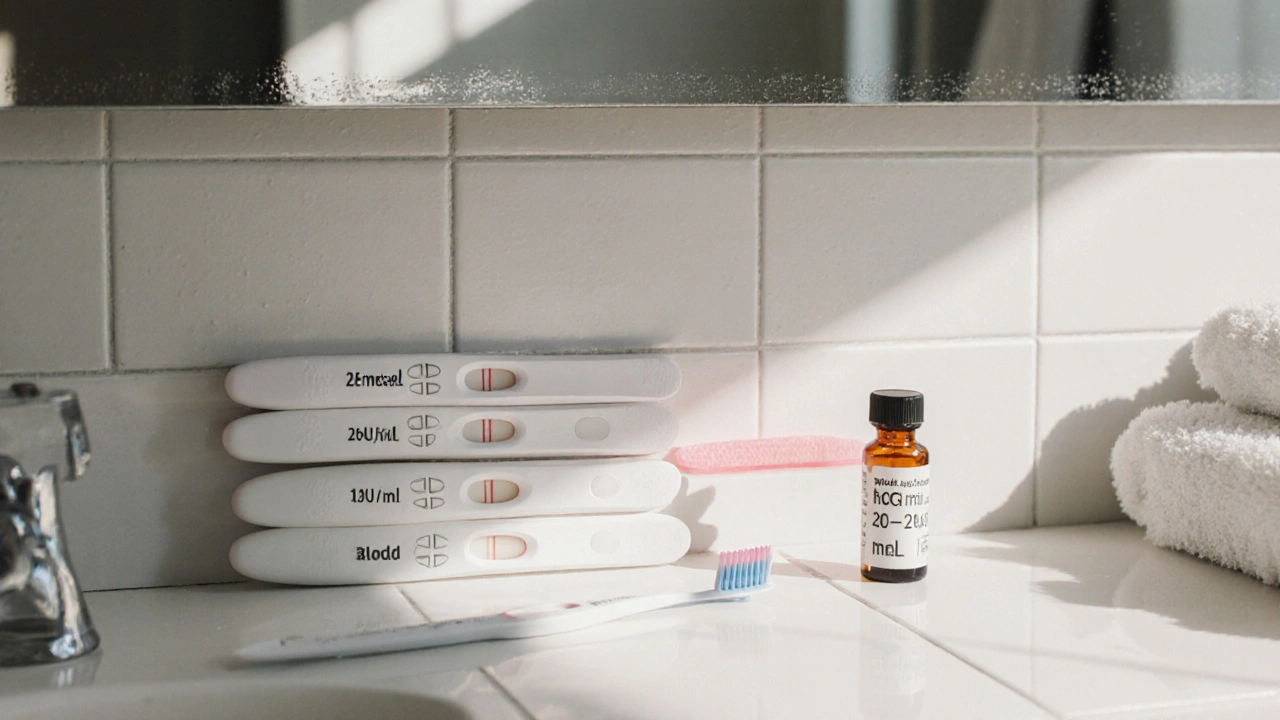
Zjistěte, který těhotenský test je nejcitlivější a kdy jej použít. Porovnání domácích a krevních testů, co znamená citlivost hCG a jak vyhnout falešným výsledkům.
říj 27 2025
© 2026. Všechna práva vyhrazena.
Menu