
When you're pregnant, your roztahování dělohy, přirozený proces, při kterém se děloha postupně rozšiřuje, aby mohla pojímat a udržet plod. Also known as roztažení děložní stěny, it's not just about size—it's about your body reorganizing itself to make space for life. This isn't magic. It's biology working exactly as it should. From the moment the embryo implants, your uterus starts stretching. By the end of pregnancy, it can grow up to 500 times its original size. That’s not a typo. Your děloha transforms from the size of a pear to something bigger than a watermelon.
What makes this happen? Hormones like relaxin loosen ligaments and soften tissues, while the growing baby pushes outward. Your muscles don’t tear—they stretch, slowly and safely. This process doesn’t just happen in the third trimester. It starts early, often unnoticed, and continues all the way to labor. Many women feel it as mild pulling, occasional twinges, or pressure low in the pelvis. These aren’t signs of danger. They’re signs your body is doing its job.
It’s not just about space. The děloha, orgán, který během těhotenství výrazně roste a mění svou strukturu pro podporu plodu also changes its blood supply. More vessels form to feed the baby. The walls thin out so contractions can work efficiently during labor. And when the time comes, this same flexibility allows the cervix to open and the baby to pass through. Without proper roztahování dělohy, proces, který umožňuje děloze přizpůsobit se růstu plodu a připravit se na porod, labor would be dangerous—or impossible.
Some women worry when they feel sharp pains or pressure. Others think they should feel nothing at all. Neither is true. There’s no single way this should feel. What matters is consistency. If the pain is sudden, severe, or paired with bleeding, get checked. But if it’s a dull, intermittent tug that comes and goes, it’s likely just your uterus stretching. That’s normal. That’s your body preparing.
And it doesn’t stop after birth. The uterus doesn’t snap back instantly. It takes weeks to shrink back down. That’s why you still feel bloated or have cramps days after delivery. Your body isn’t broken. It’s healing.
What you’ll find in the posts below are real stories and clear explanations about how your body changes during pregnancy—from how the cervix opens to what happens when your water breaks. You’ll learn what’s normal, what’s not, and how to tell the difference. No fluff. No fear-mongering. Just facts you can use.
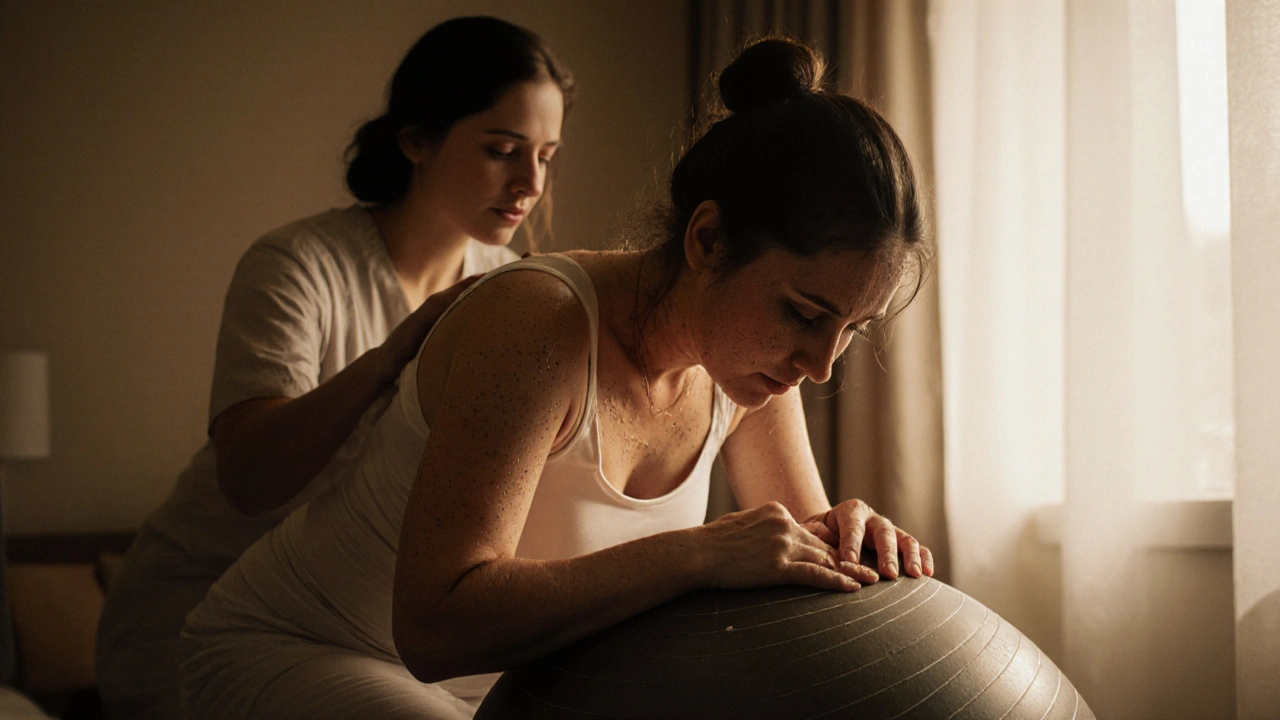
Roztahování dělohy při porodu je jedna z nejintenzivnějších bolestí, které žena zažije. Zjisti, co se vlastně děje uvnitř, jak se bolest mění a jak ji můžeš zvládnout.
lis 27 2025
© 2026. Všechna práva vyhrazena.
Menu