
When you suspect you might be pregnant, the těhotenský test domácí, a simple urine-based test that detects the pregnancy hormone hCG. Also known as home pregnancy test, it is the first step millions of women take when they notice changes in their body. It’s not magic—it’s science. The test detects a hormone called hCG, which your body starts producing right after a fertilized egg implants in the uterus. This usually happens about 6 to 10 days after ovulation. If the hormone is present above a certain level, the test shows a positive result.
But not all tests are created equal. Some are sensitive enough to give results as early as 8 days after conception, while others need you to wait until your period is late. Most women get the best results if they take the test on the first day of a missed period. Morning urine has the highest concentration of hCG, so that’s usually the best time. But if you’re past your expected period, you can test anytime—day or night. A negativní test, a result indicating no detectable hCG hormone doesn’t always mean you’re not pregnant. If you still feel off, wait a few days and test again. False negatives are common if you test too early.
And what about a pozitivní test, a clear indication that hCG hormone is present, suggesting pregnancy? That’s usually reliable. But even a faint second line counts. Don’t ignore it. Some women see a very light line and think it’s a mistake—but it’s not. That’s hCG, even if it’s still low. If you get a positive result, schedule a visit with your gynecologist. They’ll confirm it with a blood test and start planning your prenatal care.
Why do some tests give confusing results? It’s not always user error. Expired tests, improper storage, or even certain medications can interfere. Rarely, medical conditions like ovarian cysts or certain tumors can produce hCG and cause a false positive. But those cases are uncommon. For most women, a home test is accurate enough to trust—especially if used correctly and at the right time.
Many women wonder if they should test before their period is late. You can—but you’re playing with odds. Testing too early increases the chance of a false negative. That’s frustrating, and it can make you anxious. Wait until your period is at least one day late. If you have irregular cycles, count 18–21 days after ovulation. If you’re unsure when you ovulated, wait three weeks after unprotected sex. That’s the safest window.
What if you get conflicting results? One test says yes, another says no? Don’t panic. Take another test in two days. If it’s still unclear, go to your doctor. A blood test can measure exact hCG levels and tell you not just if you’re pregnant, but how far along you might be.
There’s no need to overthink it. The těhotenský test domácí is meant to be simple. It’s not a diagnostic tool—it’s a starting point. It answers one question: Is hCG present? Everything else comes after. Whether you’re excited, scared, or just confused, this test gives you the first piece of information you need to make your next move.
In the posts below, you’ll find real answers to the questions most women ask after taking a home test: What if it’s negative but I still feel pregnant? Can I trust a faint line? What should I do next? We’ve gathered practical advice, common mistakes to avoid, and what to expect when you visit your doctor after a positive result. No fluff. Just what you need to know.
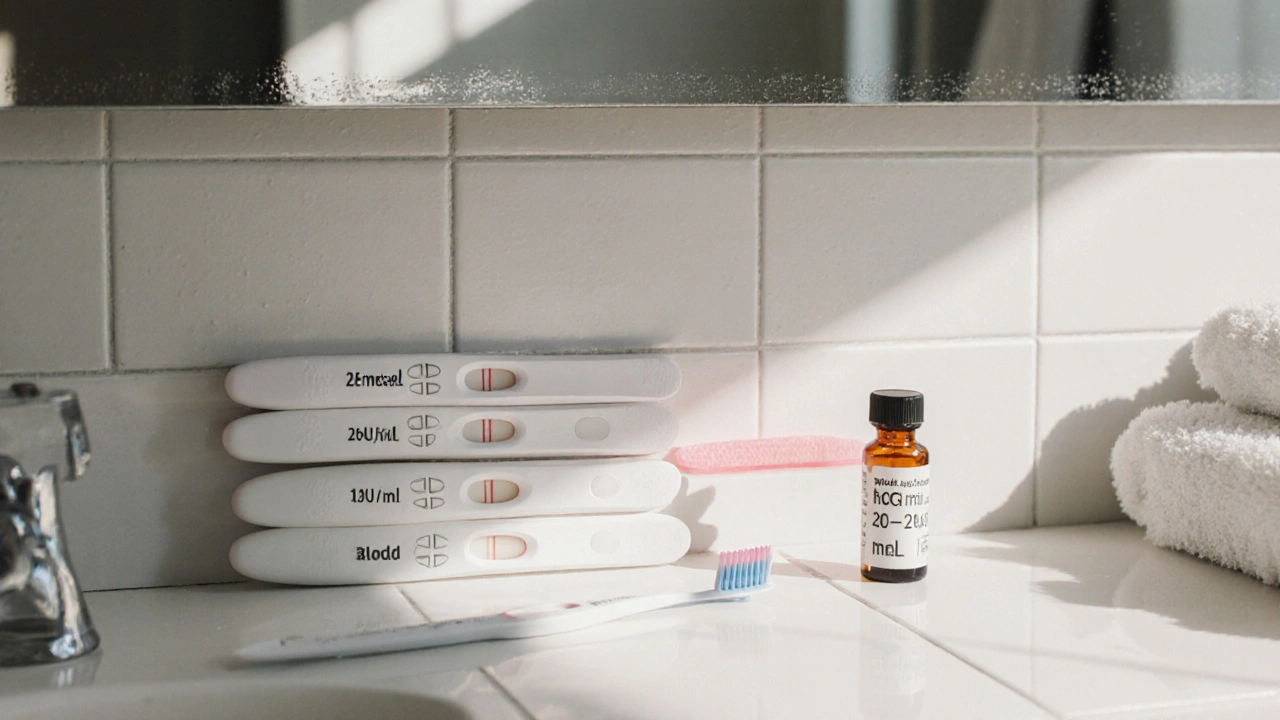
Zjistěte, který těhotenský test je nejcitlivější a kdy jej použít. Porovnání domácích a krevních testů, co znamená citlivost hCG a jak vyhnout falešným výsledkům.
říj 27 2025
© 2026. Všechna práva vyhrazena.
Menu